
First Iron Ore Shipment from Simandou Departs for China
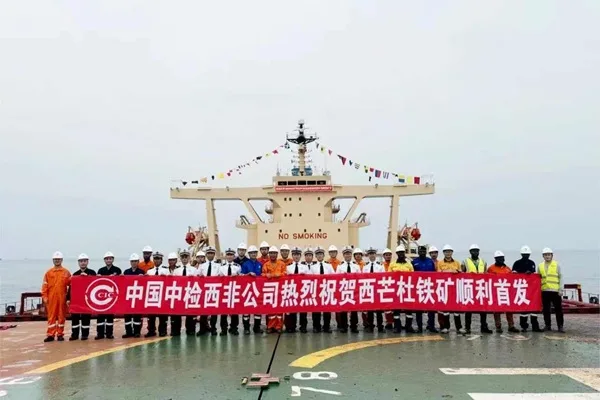
On 2 December 2025, the first-ever shipment of iron ore from #Simandou, Guinea, left the seaport of Morebaya for China. Commenting on the momentous event, one observer noted that in the history of iron ore — the 2nd most traded commodity after oil — there are two distinct eras: the pre-Simandou period, and the post-Simandou period.
The Winning Consortium issued an announcement on its WeChat account on the 3rd of December, 2025. A bulker took up a consignment of 200,000 tonnes of iron ore and then set sail for Majishan port at the city of Ningbo in China. The bulker is expected to reach its destination around the middle of January, 2026.
It is worth recalling that Rio Tinto first laid its hands on the Simandou iron ore assets some thirty years ago. For decades, it sat on the mountain range and did not do anything. First, Rio Tinto declared that the ore was of poor quality, whereas in fact, it is one of the highest grades in the world. Then, it stated that it did had enough money to develop the mine, while leveraging the asset to mobilize huge funds on financial markets. It came to light that Simandou, in fact, has a reserve of up to four billion tonnes of iron ore with a concentration as high as 65%, and containing little undesired impurities.
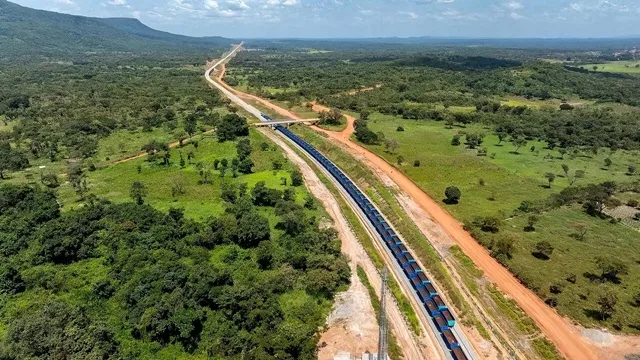
It took several years of push and pull, and a string of partnerships to finally put the Simandou Iron Ore Complex on track. Other than Rio Tinto, Brazil’s Vale got involved at one point in the deal but exited after things became ‘too complicated.’ In addition, the Project involved the building of a 600-kilometer railway track from Simandou to the Atlantic Coast, hiking up the capital investment.
China is by far the world’s largest importer of iron ore, with annual volumes exceeding one billion tonnes. Previously, most of it came from Australia and Brazil, but with the operationalization of Simandou, Guinea is now among the top iron ore suppliers in the world.
“China stands ready to work with relevant parties to help people in Guinea convert their resource endowments into more robust development strengths for mutually beneficial cooperation.”
China Foreign Ministry Spokesperson
The Government of Guinea retains a 15% shareholding in the Simandou venture, and the concession period lasts for 35 years. At the end of the concession, all assets will revert to the state, unless new negotiations are undertaken.
Analysts note that the scale and significance of Simandou are such that it will have an impact on global iron ore prices. Certain experts expect the price of iron ore to stabilize at around USD 85 per tonne as Simandou ramps up.