
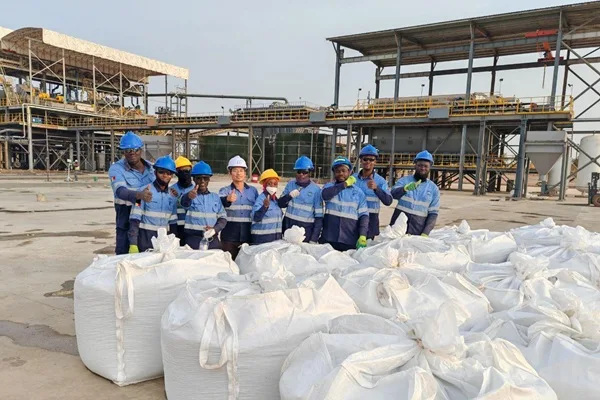
Mali Seeks More Benefits from its Lithium Mines
The Government of Mali has recently suspended the exports of #lithium ore because the sale price does not reflect world market prices. Currently, Mali has two main lithium mines at Goulamina and Bougoni.
The global lithium market is dominated by China, which accounts for 75% of all lithium, and thus China exerts a large influence upon the price. In Australia, the price of the lithium ore, Spodumene, is tracked and serves as a benchmark for transactions.
London-based Benchmark is a mineral price reporting agency that specializes in lithium. Currently, it is working to establish a lithium index for Africa. The aim is to issue a regular report, at least monthly and eventually daily, showing the fluctuations in the price of lithium. However, since most of the offtake agreements are with Chinese entities and are confidential, it has proved challenging to gather such data.
Usually, lithium ore occurs most commonly as spodumene, lycopodium, or petalite. Some operations integrate concentration to enhance the content. Generally speaking, the higher the concentration, the higher the price. Another key factor is the consistency in ore grade for long-term offtake contracts.
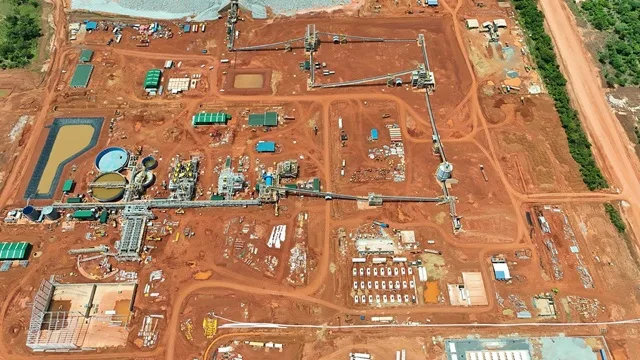
To come back to the case of Mali, the Bougoni mine is a 65/35 shareholding split between Kodal Minerals UK and the Malian side. Kodal Minerals is, in turn, a JV between Hainan Mining (51%) and Kodal (49%). Most of the production thus goes to the Chinese controlling partner, which basically can set the price it desires.
The issue arises when the sale price is perceived to be far below the fair market value. That is why the mining code and regulations must take this into account. Otherwise, it is hard to ensure one is getting a good and fair deal out of the lithium exploitation. The value of a benchmark price will thus serve to determine the current fair and correct price for all parties to come to an agreement.
Today, Africa accounts for 16% of the global lithium production and is ranked 4th behind China, Latin America, and Australia. Africa’s raw lithium mineral is typically rated at 1% grade, while Australian contracts are mostly for lithium concentrates at around 5%. Therefore, it is not possible to transpose the Australian price directly to the African situation, but an adjustment factor can be applied to arrive at an estimate. China has also set up its own lithium price index at the Shanghai Metals Market. There, the lithium price is based on lithium concentrate at 6% grade.
In accordance with the mining code, the shareholding of Goulamina mine is as follows: Ganfeng Lithium (65%), Government of Mali (30%), and Local Investors (5%). In addition to a minimum 35# local shareholding which cannot be diluted further, the Government is working to enable more local value addition. However, energy and infrastructure bottlenecks pose a huge challenge that needs to be solved through substantial investments.