
JOGMEC and Toyota Tsusho Commit $66M to NCMI’s Lofdal Rare Earth Project
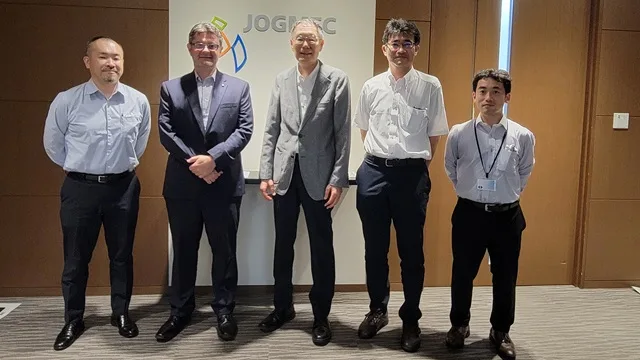
On 30 July 2026, JOGMEC and Toyota Tsusho committed to an investment of USD 34 million into the Lofdal Rare Earth Project in Namibia. The Chairman and CEO of JOGMEC Ichiro Takahara, and President and CEO of Toyota Tsusho Corporation publicized the announcement simultaneously from their respective head offices in Japan.
JOGMEC and Toyota Tsusho will create a special purpose vehicle called TJ Namibia Rare Earths. Under the partnership, JOGMEC will contribute up to USD 34 million, while Toyota Tsusho will add another USD 32 million to fast-track the development of the Lofdal asset. However, the shareholding interests of the two Japanese has not been disclosed.
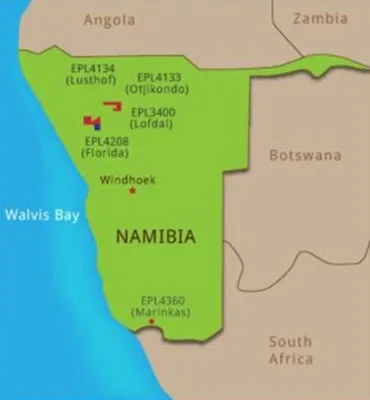
Nearly USD 8 million of the funds will be allocated to complete the Definitive Feasibility Study (DFS) , to determine the Final Investment Decision (FID) on a local processing plant for light and heavy rare earth carbonates. The study and decision is expected by the end of 1Q27.
Based on preliminary studies, Lofdal contains several rare earth oxides, notably, dysprosium, terbium and yttrium. Toyota Tsusho has in principle agreed to a long-term offtake agreement and will intervene mostly on the logistics and supply chain component of the Project.
“Today’s announcement marks the commencement of the next major execution phase of the Lofdal Definitive Feasibility Study for the expanded project Lofdal 2B-4 and reflects the continued commitment of NCMI, JOGMEC and Toyota Tsusho to advancing one of the world’s most strategically important heavy rare earth projects.”
NCMI CEO Darrin Campbell
The Lofdal Deposit shareholding is as follows: Canadian-based Namibia Cirital Minerals Inc. (NCMI) holds about 55%, while the Japanese Consortium, TJ Namibia Rare Earths, will own the remaining 40%. In line with Namibia’s Black Economic Empowerment Policy, historically disadvantaged Namibians will hold a minimum of 5% non-dilutable stake.
NCMI has awarded the metallurgical and geometallurgical contracts to SGS Canada, which will assess the full processing path from mined ore to separate light and heavy carbonates. SGS will only be responsible for the plant design and estimate the level for the next round of funding.
NCMI plans to undertake a pilot-scale floatation plant to validate the processing methods and tweak parameters to optimize the output of concentrate and carbonate.