

Zimbabwe Interdicts Maize Imports to Protect Local Farmers
On 25 August 2025, Zimbabwe announced a ban on maize imports to promote local productions. Zimbabwe has also experienced a record maize harvest during the last season and has accumulated sufficient supply for this year. The interdiction in import will thus assist in the sale of the local produce.
In 2024, Zimbabwe was forced to increase imports of maize after a drop in local production due to adverse weather conditions induced by the El-Nino Effect. Zimbabwe even had to import genetically modified maize which it normally does not favor.
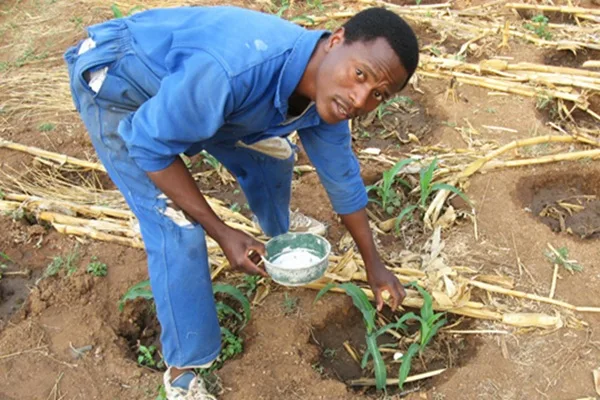
The annual consumption of maize in Zimbabwe is about 1.8 million tonnes. Due to the drought during the 2023-2024 season, the production dropped to 0.8 million tonnes, whereas, under normal conditions, production can reach 2.3 million tonnes.
In order to boost local production, the Government of Zimbabwe has also initiated the Pfumvudza (meaning new bloom in spring) Scheme targeted at smallholder farmers. Through adapted farming practices, smallhoders can boost their production. In particular, farmers are advised rotate their crops from grains to beans to allow for the regeneration of the soil. In addition, the use of mulch cover in the fields reduces the proliferation of weeds and the need for herbicides.
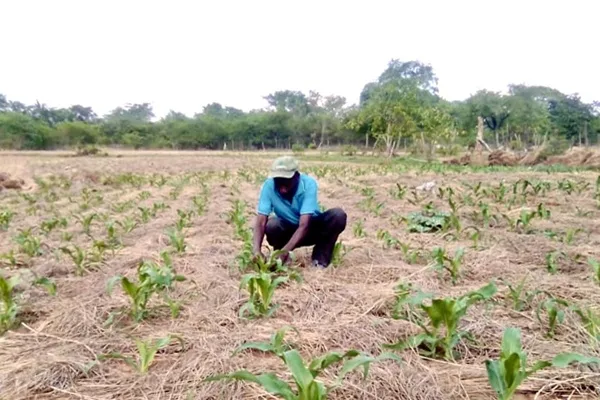
In the event of a drought, farmers are encouraged to switch to sorghum or millet which are more resilient than maize and can still thrive under low-water conditions. More drought-resistant varieties are also being researched and introduced to mitigate the negative impact of #ClimateChange on food crops.
The Pfumvudza Scheme is based on the idea that the cultivation of small plot land of 600 square meters can feed a family of six persons for one year. Under the scheme, the government also provides financial support to procure seeds, fertilizers and other inputs. However, good farming practices are fostered to reduce chemical inputs.
Currently, nearly 70% of the Zimbabwe active workforce is involved in agriculture, which makes the sector a key and strategic sector. Under the Pfumvudza / Intwasa Scheme, some 1.6 million smallhoders participate actively in the #FoodSecurity of Zimbabwe through climate-smart agriculture.