

Zimbabwe Seeks to Mobilize More Investments via the Mauritius IFC
During the Zimbabwe-Mauritius Business Forum held in Port Louis on 19 August 2026, both sides agreed to strengthen business ties by boosting trade and investment between the two countries. The Forum was jointly organized by the Mauritius Chamber of Commerce and Industry (MCCI) and its counterpart, the Zimbabwe National Chamber of Commerce (ZNCC).

In that context, Zimbabwe reiterated its interest to leverage the Mauritius International Financial Center (IFC) to attract more Foreign Direct Investment (FDI). On the occasion, ZNCC President Josephine Takundwa and MCCI Immediate Past President Charles Harel signed a Memorandum of Understanding to strengthen B2B linkages, share business information, and promote trade and investment opportunities.
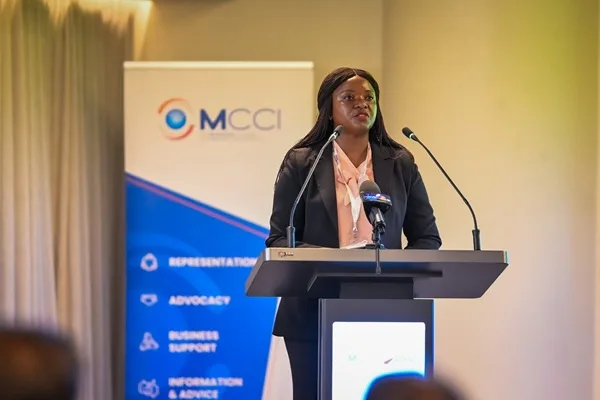
ZNCC led a 50-member delegation consisting of both private sector entrepreneurs and public sector officials. On the Mauritian side, several ministers attended the marquee event, including the Minister of Industry Ameer Meea, and the Junior Minister of Foreign Affairs Rajen Narsinghen. The Economic Development Board of Mauritius, the Financial Services Commission of Mauritius, the Central Bank of Mauritius, and Business Mauritius were also present.
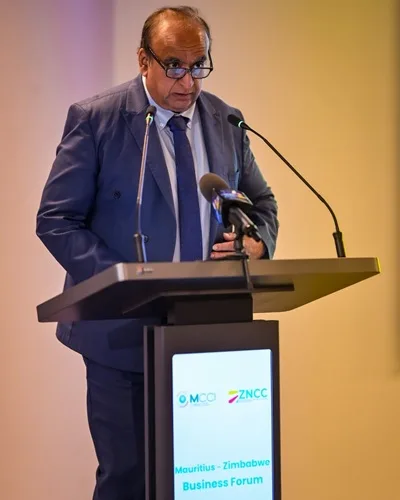
According to the IMF, Foreign Direct Investment (#FDI) into Zimbabwe cumulated to USD 8.5 billion. The Mauritius IFC contributed some USD 1.4 billion, accounting for nearly 17% of the total FDI stock, as at June 2025. Based on UN ComTrade data, bilateral trade peaked at nearly USD 270 million in 2023, with Zimbabwe’s exports to Mauritius accounting for less than USD one million. Additionally, more than 400 Zimbabwean students are currently registered in tertiary institutions in Mauritius.
It is worth noting that the investment funds may not originate from Mauritius itself, but are rather routed through the offshore #IFC into the continent. Astute Investors tend to select this indirect route to optimize their global portfolio. Mauritius provides global investors with a certain level of comfort and confidence, while Zimbabwe offers high-yield assets in the mining and energy sectors.