
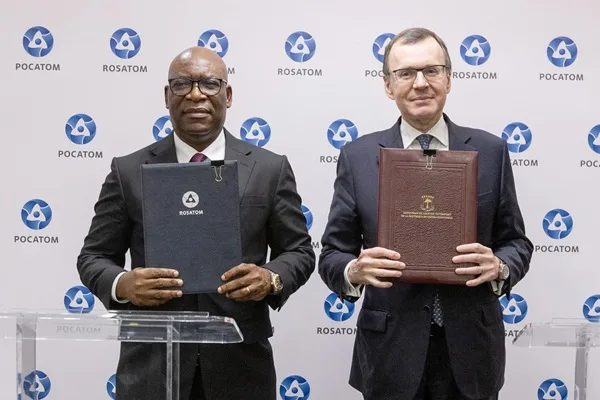
Rosatom Approaches Critical Mass for Nuclear Cooperation in Africa
Rosatom Nuclear Cooperation Explodes Across Africa
During the 3rd Russia-Africa Summit 2026 (#RAS2026), nuclear energy cooperation took center stage. As the Russia-Ukraine and US-Iran conflicts persist, fuel prices remain abnormally high and #EnergySecurity has a top priority for many African countries. Some of these are contemplating going nuclear to reduce dependence on fossil fuels. So far, South Africa has the only nuclear power plant in operation, but several projects are in the works across Africa.
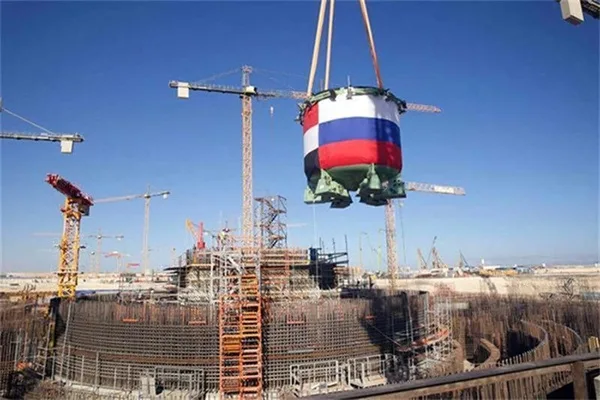
Egypt 4.8-GW El Dabaa Nuclear Power Plant
Egypt’s El Dabaa Nuclear Power Plant is designed for a total capacity of 4,800 MW and uses four Russian VVER-1200 reactors. Currently, it is under construction and the first reactor is expected to supply power to the grid by 2028.
The Project is estimated at around USD 28 billion, and Russia is providing a special loan of USD 25 billion, while Egypt will come up with the remaining USD 3 billion. The cooperation agreement provides for Rosatom to supply the nuclear fuel, along with operation and maintenance of the plant for the first 10 years of operation. By the end of the term, trained Egyptian personnel will be able to take over the management.
Ethiopia 2.4-MW Nuclear Capacity
Ethiopia has a blueprint to add two 1,2-GW plants for a total of 2.4 GW in nuclear power generation capacity. Currently, 90% of Ethiopia’s electricity comes from hydropower. In addition to the energy crisis, Ethiopia wants to shield itself from climatic phenomena such as El Nino, which is expected to be particularly severe in the coming years.
In March 2026, the newly created Ethiopian Nuclear Energy Commission (ENEC) and Rosatom signed a Strategic Roadmap for Nuclear Energy Development in Ethiopia. Three candidate sites have been identified for the nuclear plants. Addis Ababa and Moscow are finalizing a nuclear pact for the financing, design and construction of the plants.
Ghana 2-GW Nuclear Capacity
The Nuclear Power Ghana has been tasked with developing nuclear energy in Ghana. According to its plan, Ghana could have up to 2,000 MW of nuclear power generation capacity by mid-2030.
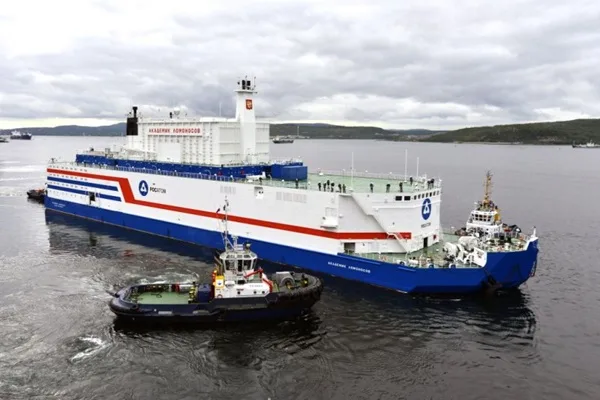
Ghana’s President Mahama solicited Putin’s support to realize its nuclear ambitions. As a first step, Rosatom has proposed deploying two or three Floating Nuclear Power Units (FPNU).
Rwanda 110-MW Small Modular Reactor
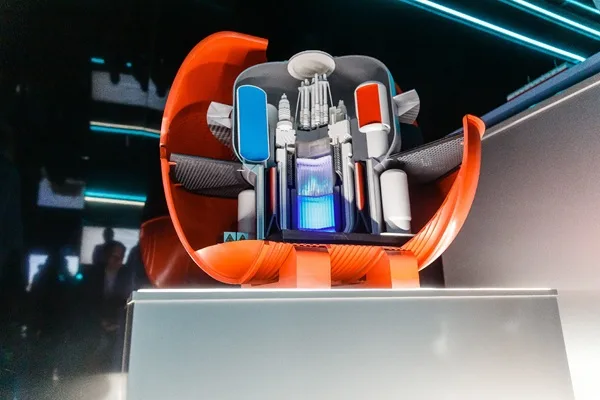
Rwanda is eyeing small modular reactors (SMR) from Russia as its preferred solution. SMR can have a capacity up to 300 MW and are particularly suited for a relatively small country like Rwanda with population just under 15 million.
To get the ball rolling, Rwanda is building a first small pilot nuclear reactor of 10 MW. It will serve to train and familiarize Rwandans with the nuclear technology. Rwanda wishes to apply nuclear technology to other fieds such as healthcare and agriculture.
Uganda 24-GW Nuclear Capacity by 2040
Uganda ambitions to add 24,000 MW of nuclear capacity by 2040. Rosatom and Uganda agreed on an official cooperation roadmap for nuclear energy. Uganda is similar to Ethiopia since its strategy is to shift away from its over-reliance on climate-sensitive hydropower.
Rosatom is helping Uganda on the Nakasongola Nuclear Power Plant Project. It is located near Lake Kyoga and could house six 1,200 MW reactors, for a total of 7,200 MW.
Best Practices
To avoid overdependence on a single country, African would like to favor a multi-vendor strategy and tends to follow as much as possible the best practices of the International Atomic Energy Agency (IAEA). Thus, some countries have engaged other nuclear powers to develop their civil nuclear program. So far, Russia appears to be in the lead in terms of nuclear cooperation agreements signed.