
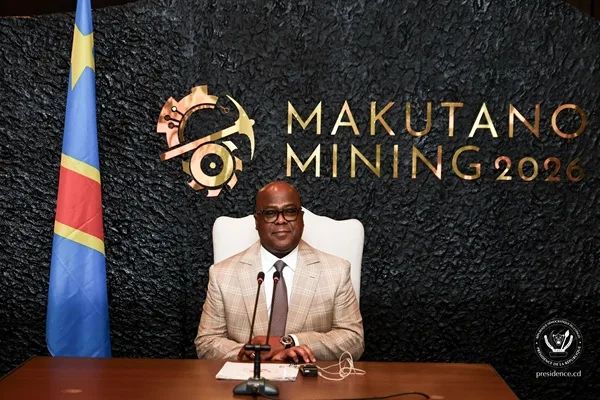
Makutano Mining 2026 Announces Nearly $1B in Deals
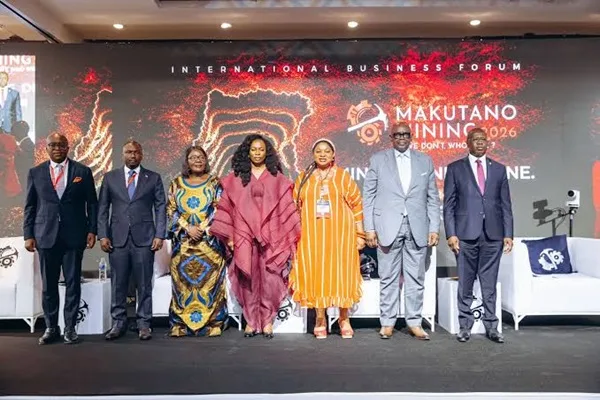
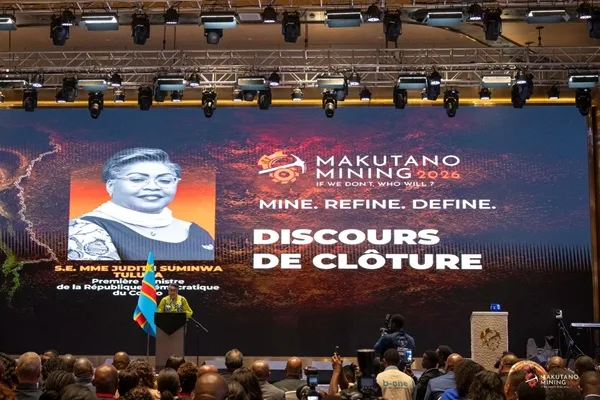
The Makutano Mining Forum 2026 took place at Fleuve Congo Hotel in Kinshasa, DR Congo, from 22 to 25 November 2026. The Forum was organized by the Makutano Network, a business network founded by Nicole Sulu in 2015. In Swahili, Makutano means gathering, meeting or conference.
In addition to DRC’s President Felix Tshisekedi, the Makutano brought together Zambian President Hakainde Hichilema, alongside mining majors such as CMOC, Gecamines, Sicomines, Kamoto Copper Company, Invanhoe and Kibali Goldmines, to name a few. Altogether, approximately 1,500 delegates attended the Makutano.
President Tshisekedi hammered home the necessity for local value addition (#LVA); Africa cannot content itself to be the world’s mine; it must become its factory. He believes that true sovereignty is the ability to transform the wealth of the subsoil into lasting economic power.
President Hichilema underscored the importance of cross-border integration of the Copperbelt region that spans both Zambia and the DRC. The Zambian Government is currently cracking down on speculative licensing based on a strict ‘use it or lose it’ principle. He also believes that the #LobitoCorridor must not only be an efficient mode of transport for minerals, but a corridor for ‘investment, industrialization, employment and shared prosperity.’
Nicole Sulu applauded and reinforced the Heads of State’s messaging. When the DRC and Zambia speak with one voice, the whole world has to listen as the two mining African giants carry great weight at the negotiating table.
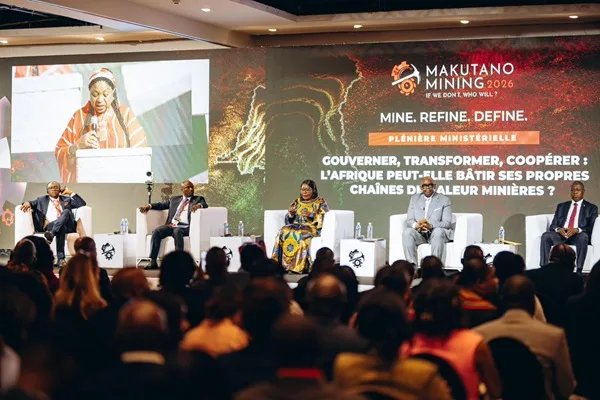
The organizers announced USD 965 million of deals during the Makutano. The World Bank Group’s International Finance Corporation (IFC) is mobilizing USD 265 million to support local beneficiation and mining SME. On 24 November 2026, CMOC Tenke Fungurume Mining Managing Director John Woto announced that his company is planning an investment of USD 5 billion and called for ‘closer dialogue’ with the Government.
On 23 November 2026, the Authority for the Regulation and Control of Strategic Mineral Substances’ Markets (ARECOMS) issued a suspension on the export of cobalt in all forms, whether raw, concentrates, or semi-processed intermediates like cobalt hydroxide. The ban will become effective as from 30 November 2026 until further notice, and a formal market review is scheduled in March 2027.
The sudden announcement and tight timeline caught the market off guard. Cobalt prices on the London Metal Exchange surged roughly 20% after the announcement, with prices jumping from USD 33,000 to 44,000 per tonne. The Shanghai Metals Market estimated that China has enough feedstock to last until March 2027, taking into account ongoing shipments until the ban comes into force.
On a longer term, the EV industry is promoting cobalt-free chemistry such as Lithium-Iron-Phosphate (LFP) for short-range and budget cars. However, for long-range and performance vehicles, the industry still relies on Nickel-Manganese-Cobalt (NMC) and Nickel-Cobalt-Aluminum (NCA) batteries. The Cobat Institute forecasts that the sustained growth in EV adoption will drive the demand for cobalt tonnage even if the share becomes smaller percent-wise.