
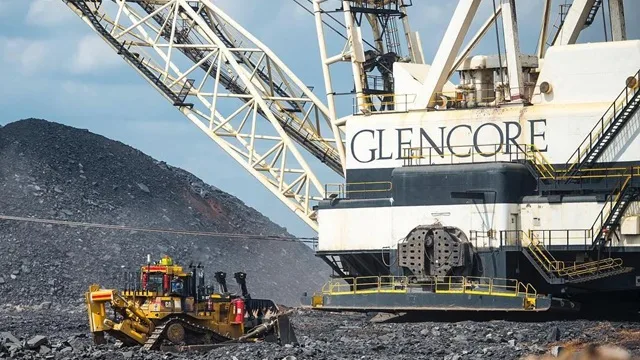
Glencore Restarts Cobalt Exports Under New Rules in DRC
After a suspension of cobalt exports since February, the Government of the Democratic Republic of Congo (DRC) has issued new rules for #cobalt exports. Att the start of December 2025, Glencore announced it had executed a small pilot shipment under the new regime, which imposes quotas for each company and an across-the-board 10% royalty on cobalt exports.
DRC has the largest reserves of cobalt in #the world, with the ore typically occurring in conjunction with copper. In fact, the DRC is the source of 70% of the world’s production of cobalt, which is one of the #CriticalMinerals needed to make rechargeable batteries that power electric vehicles (#EV).
Prior to the ban, DRC was exporting about 280,000 tonnes per year. Under the new rules, the annual exports will be capped at 96,600 tonnes as of 2026. Glencore and China Molybdenum (CMOC) are the world’s two largest cobalt miners operating in DRC and thus received the largest quotas. For the fourth quarter of 2025, Glencore can export 3,925 tonnes, while CMOC obtained a quota of 6,650 tonnes.
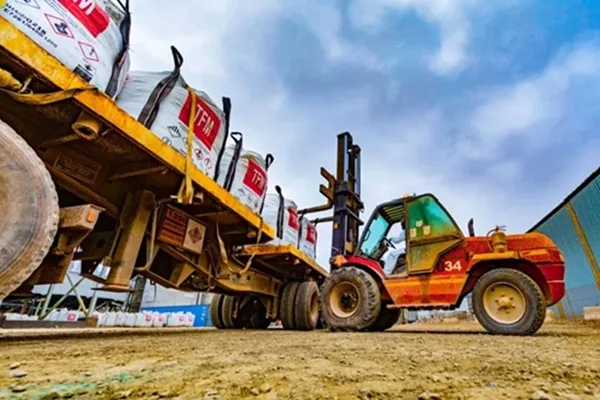
In addition, ARECOMS — DRC’s regulator for Strategic Mineral Sustances Market Regulation and Control Authority — has issued orders for DRC to retain 10% of production to constitute a strategic stockpile.
However, the mining companies have complained about the ‘administrative overhead’ that delays shipment. In response, the Government has allowed companies to carry over their unused quotas and has given assurance that things will move more smoothly once a few shipments are underway and stakeholders become familiar with the new procedure.
One of the reasons for the DRC’s move was that the price of cobalt on the global market dropped drastically from USD 52,900 to USD 22,000 per tonne in February 2025. Through the new measures, the DRC thus aims to ‘stabilize the market’ and tighten oversight over critical resources. Actually, African countries are strategizing to bring in more investments into downstream operations in order to extract greater benefits from their mineral wealth.