
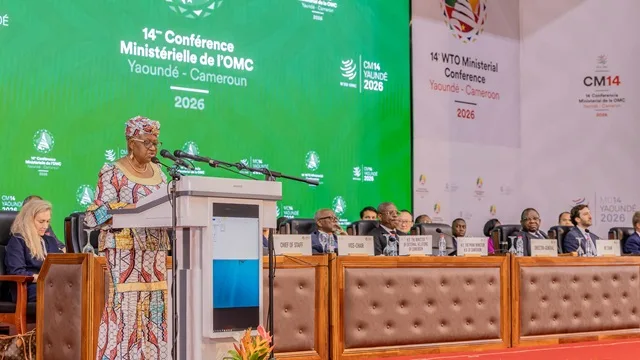
2026 WTO Ministerial Delivers Mitigated Results and Comes Up With New Way of Working
Introduction
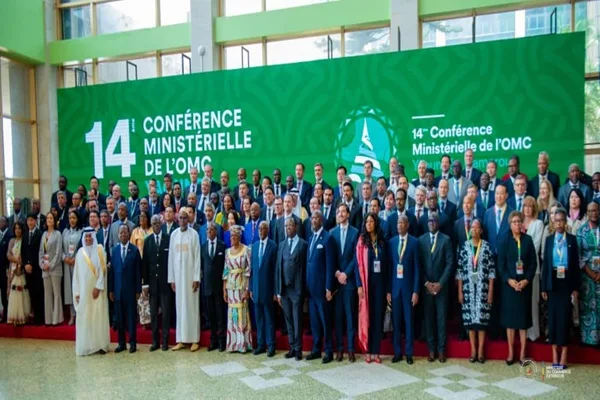
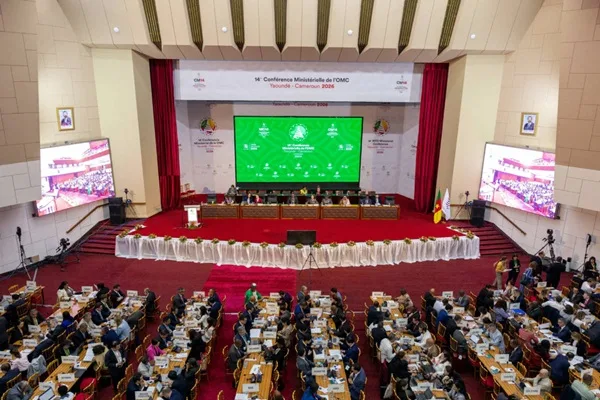
The 14th World Trade Organization Ministerial Conference (#WTO2026) was hosted by Cameroon in the capital Yaounde from 26 to 30 March 2026. This edition took place amid global trade tensions and the resurgence of nationalism, reversing decades of globalization. As such, reaching a broad agreement was difficult, if not impossible, and outcomes were understandably mitigated. The Taiwan delegation pulled out of the meeting after being labeled as ‘a province of China.’
Dispute Settlement
The amendment for dispute settlement has been frozen since 2019 and the Yaounde meeting was unable to arrive at a clear reform roadmap.
eCommerce
The moratorium on customs duties on electronic downloads is now 28 years old. US pushed for another extension, while Brazil and Turkey opposed it. However, 66 member states, representing 70% of global trade, did agree to move forward with a separate interim agreement on eCommerce.
Investment Facilitation for Development
A proposal to incorporate an IFD agreement into the WTO framework initially received broad support of 75%. Unfortunately, India blocked it.
Agriculture and Food Security
Most countries implement protective measures for local farmers in the name of food security. In that regard, negotiations on public stockholding stalled.
Fisheries
Negotiations on state subsidies to fishermen and distant-water fishing continued but no agreement was reached.
Small Economies
Measures to improve the integration of small economies in the multilateral trading system were adopted. But the cohort agreed to continue negotiations with the hope to achieve a comprehensive agreement at the next Ministerial.
Special and Differential Treatment
Amendments to the operationalization of Special and Differential Treatment for small and vulnerable states were adopted. The measures include Sanitary and Phytosanitary (SPS) Measures and Technical Barriers to Trade (TBT).
Conclusion
No joint declaration was issued during the #WTO2026, largely due to the deadlock between the USA, India and other developing nations with regard to eCommerce and investments. This 14th edition saw a shift from traditional consensus to coalition-driven rule-making. WTO DG Ngozi Okonjo-Iweala described it as ‘a new WTO way of working’ by focusing on smaller like-minded groups rather than attempting all-member consensus.