
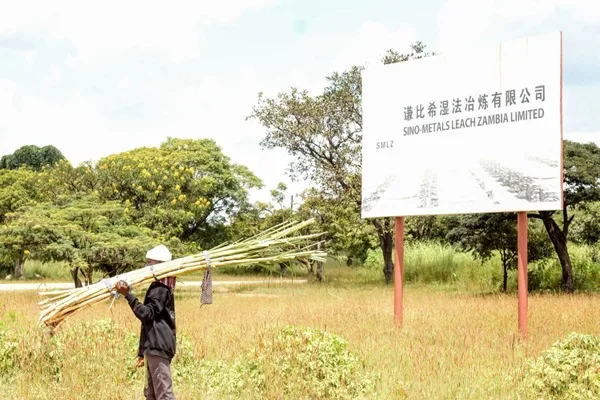
Zambian Farmers Filed Lawsuit Against Chinese Mining Companies Over Toxic Spill
In February 2025, a dam built to store waste water from copper mining collapsed causing million of liters of acidic water spilled into surrounding waterways and farmlands, killing fish, contaminating drinking water and damaging crops. Some 300,000 households are believed to have been affected by the incident.
Not getting satisfactory compensation so far, the farmers filed a lawsuit against Sino-Metals Leach Zambia and NFC Africa Mining on 12 September 2025. The Zambian farmers blame the Chinese firms for ‘ecological catastrophe.’ The dam is owned by Sino Metals but it is located on land owned by NFC Africa Mining.
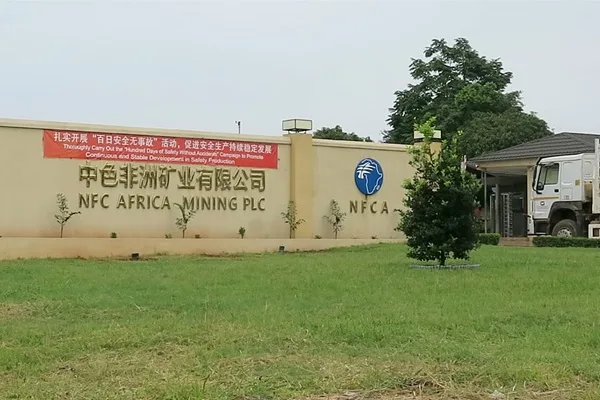
In their filing, the Zambian side allege that the failure of the tailings dam was caused by a combination of factors, including using a flawed design, cutting corners on construction, and mismanagement of the facility.
In a statement released by the firm, Sino-Metals claimed that the breach of the dam was brought under control within hours of detection and caused only minimal damage. According to its own estimates, only 50,000 cubic meters of waste water leaked out.
The Zambians also complain about health issues with some people exhibiting symptoms such as blood in urine, chest tightness and difficulty to breathe. Water from wells became unfit for consumption and crops had to be burnt as well. The spilled waste water is said to contain certain heavy metals that are highly toxic to humans and wildlife.
In China, the news of the lawsuit raised a storm on Chinese social media. Chinese netizens believe the amount of the compensation is excessive. Others are of the opinion that the Zambians should be grateful for the significant investment from China and stop complaining about the ‘minor incident’.
The US Embassy in Lusaka issued a warning and advised all American citizens to evacuate the affected area to avoid health risks. On the other hand, a spokesperson from the Zambian government declared that ‘there is no longer any serious implications for public health.’