
US-China De-escalates Tensions During Xi’s Visit to US
Milestone Visit
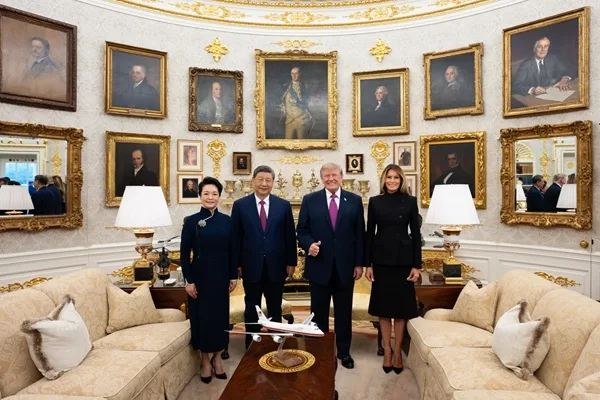
Following the state visit of China’s President XI Jinping to the United States of America (USA) from 23 to 25 September 2026, the two sides each issued separate statements on the milestone visit. The visit occurs after more than a decade as the US-China relationship went through several ups and downs through the first trade war, the COVID-19 pandemic, and the more recent #tariffs.
There were neither great expectations nor great preparations for the Summit. US Treasury Secretary Scott Bessent had a marathon 8-hour session with China’s Vice Premier HE Lifeng at JPMorgan’s HQ in New York on Sunday the 20th of September 2026. Then, both men met again on Washington, DC, hours before Xi’s arrival to finalize last-minute details.
Trade and Tariffs
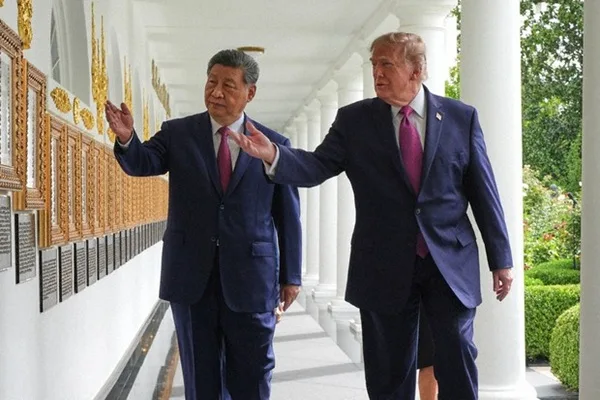
The US and China agreed to extend the trade truce until January 2026. The newly operationalized Board of Trade agreed to reduce tariffs on non-sensitive goods worth USD 30 billion. The US appreciates the commitment of China to import at least 10 million tonnes of American coal every year from 2027 to 2028, in a gesture to equilibrate the trade balance.
The US noted the stronger measures put in place by China to control the export of fentanyl and its precursor chemicals. As for #CriticalMinerals, and #RareEarths in particular, both sides agreed to continue to talk to ensure shipments return to ‘appropriate levels’.
From Artificial Intelligence to Super Intelligence
Previously, both the US and China already agreed on the principle that AI should not be given control of nuclear weapons systems and the ultimate decision for the use of the ultimate deterrence should rest with humans. As #AI continues to advance by leaps and bounds,Trump proposed adopting the term ‘Super Intelligence (SI)’ instead of ‘Artificial Intelligence (AI)’, and China agreed to the term when discussing AI issues with the US.
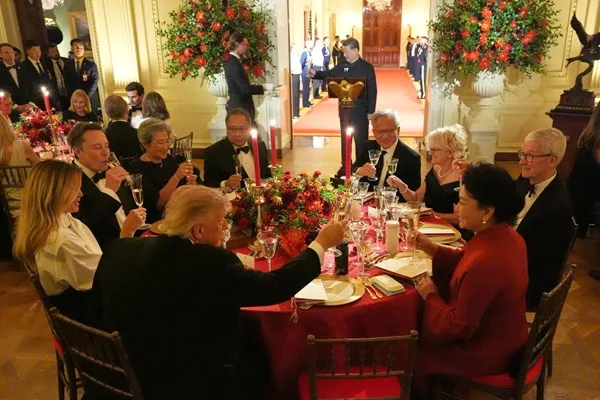
Following alleged incidents involving Agentic AI, which initiated hacks on networks, both sides agreed to establish a ‘communication channel’ for AI incidents related to global security risks.
Taiwan and Iran
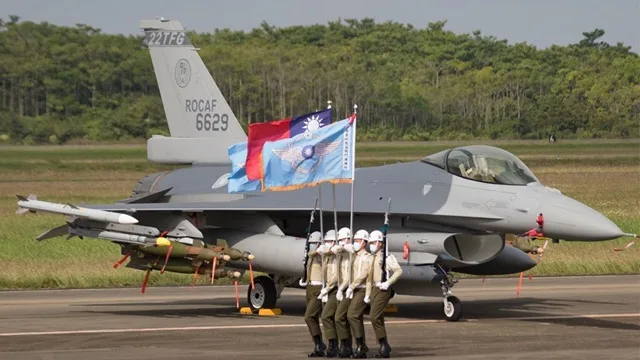
Xi urged Trump to reinforce his position on Taiwan in favor of the One-China Policy, by amending the language from ‘not supporting Taiwan independence’ to ‘opposing Taiwan independence.’ China took note of the pause in the delivery of the US F-16v Viper fighter Jets to Taiwan.
On Iran, both sides agreed that Iran should not have nuclear weapons. In addition, the US and China agreed that international waterways such as the Strait of Hormuz should remain free and open.
Great Rejuvenation of the Chinese Nation and Make America Great Again
China’s official statement underlined that China and the USA are now on an equal footing — an upgrade from the ‘near-peer competitor’ terminology employed by the Pentagon — and highlighted the 8-point consensus as the key outcomes of the visit. On the other hand, the US emphasized the principles of reciprocity and fairness and looks forward to ‘more great things’. As Xi’s succinctly framed it in his remarks, the ‘Great Rejuvenation of the Chinese Nation’ and ‘Make America Great Again’ might not necessarily fall into Thucydides’ Trap.
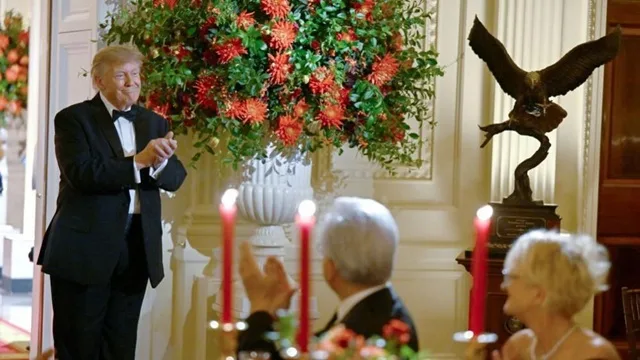
President Trump presented a custom-made sculpture of the American Bald Eagle to President Xi. On the other hand, President Xi announced that two new pandas will soon be making their way to the Atlanta Zoo, in addition to the ones already at the San Diego Zoo.
Until the end of 2026, both leaders will have the opportunity to meet again twice: the APEC Summit in November in Shenzhen and the G20 Summit in December in Miami to continue the dialogue.