
US and China Inch Toward ‘Constructive Strategic Stability’ During Trump’s Visit to China
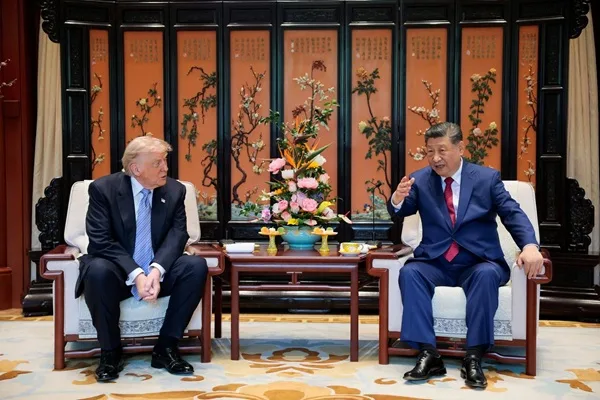
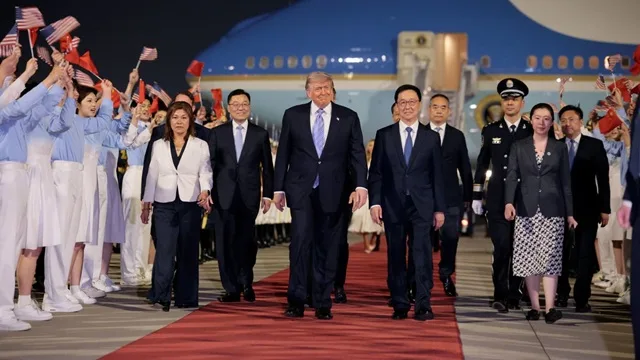
From 13 to 15 May 2026, US President Donald Trump was on an official visit to China at the invitation of China’s President XI Jinping. The last official visit by an American President took place nearly a decade ago in 2017, and it occurred during Trump’s first term. When Biden took over, he became one of the rare U.S. presidents not to undertake a visit to China since diplomatic ties were established between the two countries.
After the visit in 2017, the US-China relationship actually deteriorated and the tension was exacerbated by mutual accusations over the origin of the #COVID19 virus. Since Trump took office in late 2024, he has implemented punitive #tariffs, which China checkmated with export control on Rare Earth Elements (#REE). With bilateral ties at a historical low, expectations are low, and the main objective of the visit was to ‘stabilize the relationship’ and prevent it from escalating into a military confrontation.
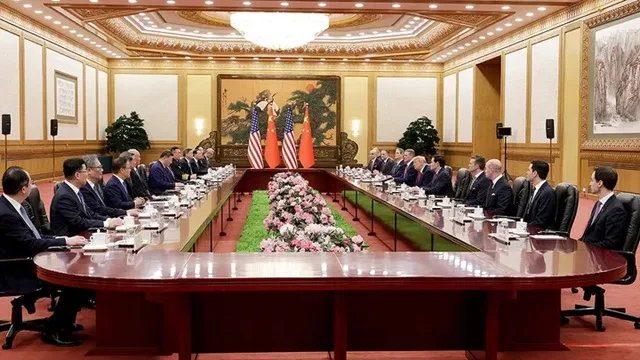
From China’s perspective, a military confrontation could erupt if the US persists in fanning the independence fire in Taiwan. President Xi started the bilateral talks with Trump by underlining that Taiwan is a red line issue for China. Xi urged Trump to reconsider the massive arms sale package to Taiwan as a show of good faith, but Trump was careful to avoid any controversial official statement on Taiwan. In contrast, Biden did explicitly say that the US will intervene to support Taiwan if China initiates a military operation for the reunification of Taiwan.
On Iran, both sides agreed that the Strait of Hormuz should be reopened and no toll should be collected. Both sides also agreed that Iran should not have nuclear weapons. Trump stated that China committed to stopping the supply of certain equipment to Iran.
Nvidia Founder and CEO Jensen Huang managed to get a last-minute ticket on Air Force One with President Trump, along with Tesla’s Elon Musk. Initially, the sale of Nvidia’s most advanced chips was off the negotiating table, but with Jensen Huang on board, negotiations could proceed. Thus, it would appear the US has cleared the export of H200 — Nvidia’s current most advanced #AI Chip — to China, but China appeared in no hurry to go through with the deal, preferring to buy domestic chips, even if they are less performing.
On the subject of #AI, as leaders in this emerging field, despite competing intensely, both countries seem to agree to set up guardrails so that certain applications of AI, especially related to military capabilities, should not fall into improper hands. Some sort of non-proliferation treaty similar to that for nuclear weapons could be envisaged.
China also appeared to have agreed to resume purchasing Boeing planes. From Trump’s statement, it would seem that China would purchase 200 Boeing passenger jets, although no ceremony took place. Trump also announced that China would buy more American agricultural and energy products. The export of soybeans, maize and meat is particularly important to Trump as it concerns the interests of a significant segment of his supporters.
In order to manage the relationship, both sides discussed the possibility of establishing a bilateral Trade Council and an Investment Council. The Councils would handle negotiations of non-strategic sectors and products.
Xi is supposed to return the visit, and Trump expressed a preference for Xi to visit the USA in September 2026, just before the US mid-term elections. After meeting on the sidelines of the APEC Summit 2025 in Busan, the two leaders of the ‘most consequential bilateral relation’ will again have the opportunity to bump into each other as the US is hosting the G20 Summit, while China is hosting the APEC Summit in 2026.