
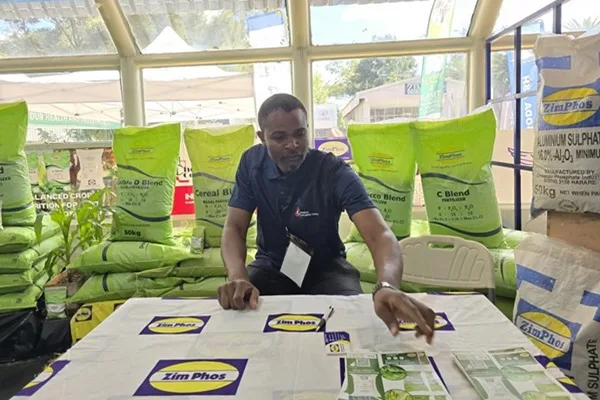
Zimbabwe Fast-Tracks Coal-to-Fertilizer Projects as Persian Gulf Conflict Persists
During a Q&A session during the 66th Zimbabwe International Trade Fair 2026 (ZITF), Finance Minister Mthuli Ncube acknowledged that farmers are under pressure due to the jump in fertilizer prices caused by the situation in the Persian Gulf. To address this issue, the Government of Zimbabwe is fast-tracking several local fertilizer production projects that can take advantage of its rich reserves of coal.
“For fertilizers, we’ve seen a 30 to 40% increase, easily. The way we respond to it, and also to support our industry, is to really push hard in incentivising new investors into the fertilizer sector.”
Zimbabwe Finance Minister Mthuli Ncube
Ncube revealed that the Government is in talks regarding three coal-to-fertilzer projects with a combined foreign direct investment (#FDI) of more than USD one billion. The objective of the Government is to become self-sufficient in fertilizer by 2030, as part of the #Vision2030ZM to ensure #FoodSecurity.
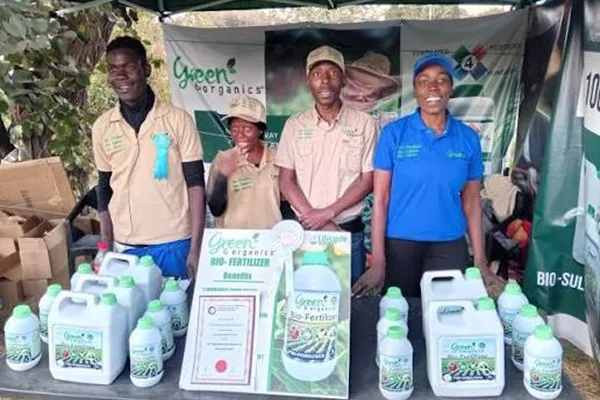
Currently, Zimbabwe imports 780,000 tonnes of fertilizers with an import bill exceeding USD 300 million. The use of bio-fertilizers is progressing, but it cannot make up for the requirements for chemical fertilizers in the short-term.
Chinese firm, Sunny Yi Feng Group, is planning to diversify from tiles and ceramics into the fertilizer business. It is partnering with Wintrue, a Chinese fertilizer manufacturer, to build a fertilizer plant in Chegutu, Mashonalaland West Province. The planned investment reaches USD 500 million with an annual production capacity of over 300,000 tonnes of urea and 200,000 tonnes of ammonium nitrate.
Additionally, Xintai is planning to invest USD 200 million to build a urea and ammonium nitrate plant at Palm River in Beitbridge. The Palm River Project expects to produce 200,000 tonnes of urea and 200,000 tonnes of ammonium nitrate annually. The third project is situated near the coal-fired power plant of Hwange, where Vectol plans to invest USD 400 million to build a fertilizer factory.