
South Africa Secures $1.5B from World Bank for Infrastructure Upgrades
On 16 July 2026, the World Bank’s International Bank for Reconstruction and Development (IBRD) approved a loan of USD 1.5 billion to South Africa to support infrastructure upgrades. Sectors that may benefit from the financing include water & sanitation, port, rail, power and renewable energy.
The sovereign loan has a maturity of 15 years, including a three-year grace period. It carries a favorable interest rate of Secured Overnight Financing Rate (SOFR) plus 1.35%. This loan constitutes the fourth one from the World Bank (WB) since 2022, but it will be used for the first time to improve #WaterSecurity.
The WB also notes that the South African Government has so far managed to secure financing to the tune of USD 3.2 billion from various multilateral development banks (MDB). It is hoped that with the positive signaling, South Africa will be in a better position to attract and mobilize more capital from private sources.
“South Africa has shown that sustained reform can turn around deep-seated infrastructure crises. By extending this support to water and sanitation for the first time, we are helping ensure the benefits of reform reach every household, while these efforts together are expected to help create amlost 600,000 jobs and attract much-needed private investment.”
WB Director for South Africa Stu Kahkonen
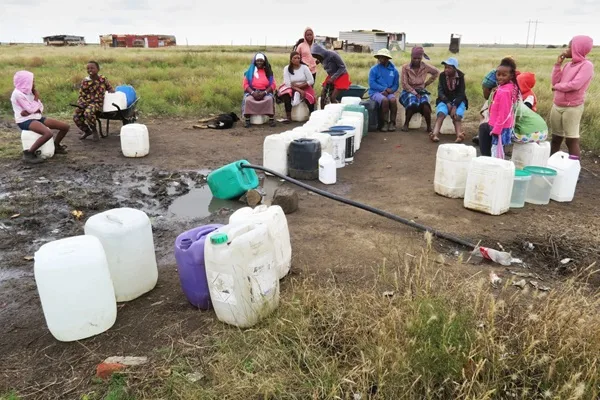
“The newly established National Water Resources Infrastructure Agency (NWRIA) stands as a decisive instrument of renewal. Operating as a state-owned enterprise (SOE), it will harness massive infrastructure assets and revenue streams to secure funding diectly from financial markets, thereby accelerating the delivery of vital water infrastructure projects.”
South Africa Deputy President Paul Mashatile
The WB commended several successful reforms undertaken by the Government of South Africa. In terms of water and sanitation, South Africa also opened the market to private service providers, spearheaded by the newly formed National Water Resources Infrastructure Agency (NWRIA).
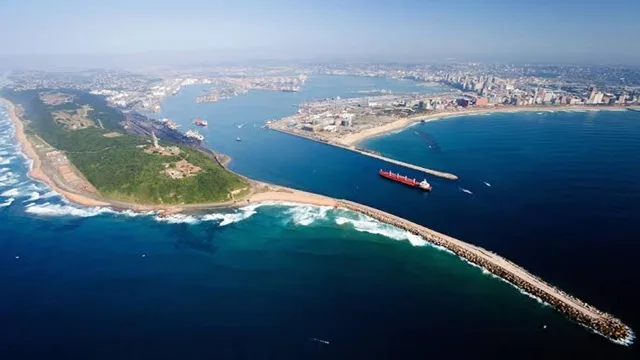
By boosting competition in the electricity wholesale market, South Africa managed to rein in load-shedding and plans to add 300,000 households to the grid by the end of 2027. The Government also approved the first-ever private port operator at Durban in a bid to alleviate congestion.
Based on its study, the WB estimates the implementation of the projects will support nearly 600,000 jobs in South Africa, mostly in the utilities and transport sectors. By 2027, some 280,000 jobs will benefit, the number rising to over 560,000 by 2032.