
Atlantic Group Amends Plan for Cement Plant Kribi Port Industrial Zone in Cameroon
On 19 February 2026, the Cement Corporation of Cameroon (CCC), a subsidiary of Atlantic Group, signed an amended agreement with the Investment Promotion Agency (API) to build a cement plant in Kribi. The amended agreement supersedes the previous one signed in August 2021.
First of all, the initial investment figure of FCFA 39 billion ($700M) has had to be revised upward. In return, CCC will receive tax and customs exemptions for longer to cover both construction and operational phases. The exemption period for the fiscal incentives actually varies from five to ten years.
The cement plant will be built on a 10-hectare plot in the Kribi Port Industrial Zone (KPIZ) and will take about 2 years to be completed. Once operational, the plant will support 1,600 jobs directly and indirectly and will have an annual production capacity of one million tonnes.
The project experienced delays for a number of internal and external reasons. First, Atlantic Group indicated that it plans to upgrade the equipment and technologies to be more up-to-date. Then, the cost of clinker — the main ingredient in cement making — rose significantly and the business model had to be updated. Additionally, the basic utilities, such as electricity, water, and roads, at the KPIZ were not ready until recently.
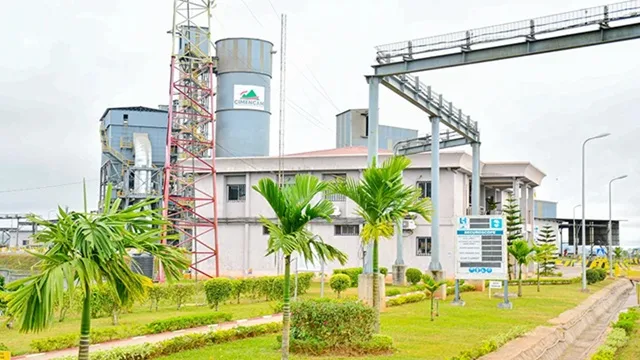
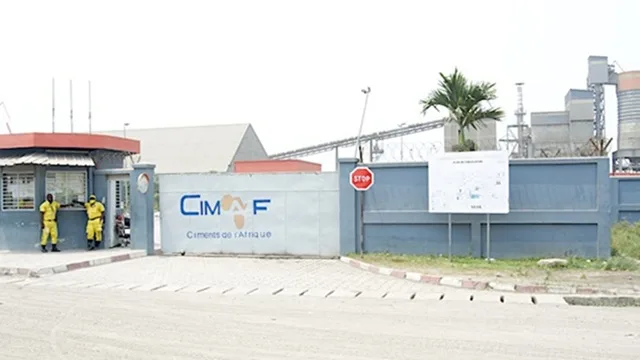
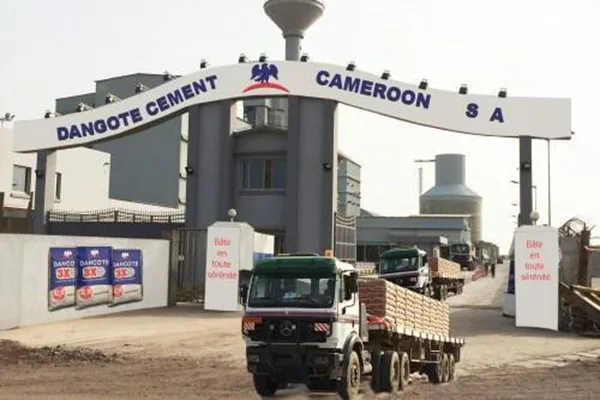
The cement industry is highly competitive in Cameroon, with more than ten players. Recently, Nigeria’s Dangote Group also unveiled plans to build another cement plant in Cameroon. Currently, LafargeHolcim Cimencam (2.3MT), Yousheng Cement (1.8MT), Dangote Cement Cameroon (1.5MT), Mira Cement (1.5MT), and Central Africa Cement (1.5MT), CIMAF (1.5MT) are the top cement producers.
Strangely enough, the retail price of cement remains high despite the apparent competitive landscape. Some industry analysts suspect some sort of collusion among the various producers. On the other hand, the producers point to high energy and transport costs, and the dependence on imported clinker.
As the cement industry relies heavily on imported clinker, any disruption in the supply can throw a spanner in the works. Therefore, the Government of Cameroon has been encouraging the setting up of clinker plants locally.
The first clinker kiln by LafargeHolcim was inaugurated in Figuil, which has plenty of limestone, in June 2025. Another JV of the two Chinese companies, Yousheng and Central Africa Cement, only performs low-value-added grinding of clinker and started operations in Edea in September 2025.