
Zimbabwe Bans Foreigners from Small-Scale Gold Mining
On 24 May 2026, Zimbabwe announced that foreigners would be banned from small-scale mining. All foreign miners must move into large-scale mining by January 2027. Small-scale mining will be reserved for Zimbabwean citizens and fully locally owned companies.
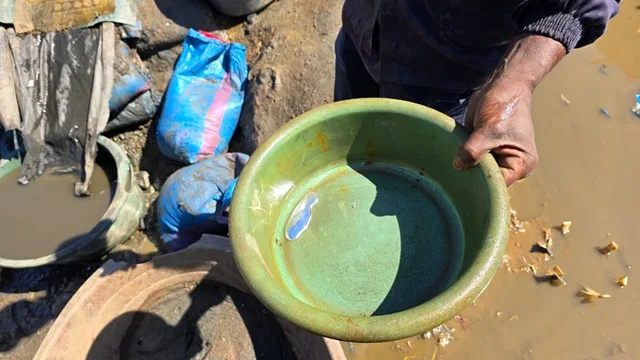
According to Fidelity Gold Refinery (FGR), artisanal or small-scale miners produced 34.9 tonnes of gold in 2025, three times the amount from large-scale mining companies. In terms of employment, it is estimated that one million people are involved in small-scale mining of gold in Zimbabwe.
In many cases, the artisanal miners operate outside the legal framework without land rights and still use toxic mercury for processing the ore. Most cannot afford modern and heavy equipment and rely on manual labor or simple tools.
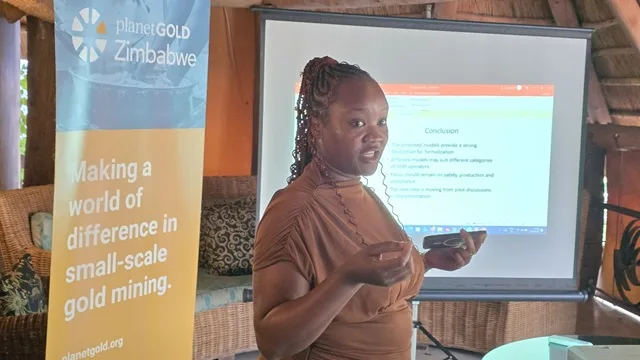
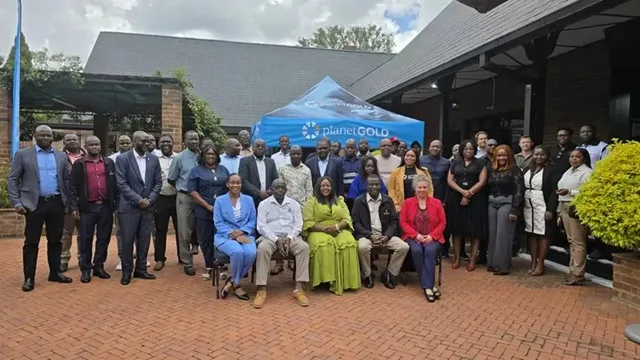
On 15 April 2026, planetGOLD held a high-level workshop with government officials, large-scale mining executives, and artisanal mining representatives. The goal of the workshop was to map out a path toward formalizing the sector and promoting genuine collaboration between artisanal miners and large mining companies.
The mining companies in attendance included Magaya Mine, Mutapa Gold Resources, Sabi Mine, and Turk Mine. Artisanal and small-scale miners were represented by the Zimbabwe Miners Federation (ZMF) and the Zimbabwe Artisanal and Small-Scale Women Miners Association (ZASWMA)
One proposal was to allow small-scale miners to operate within sections of large concessions owned by large-scale miners. Additionally, it is proposed to open the processing facility of large-scale miners to artisanal miners to reduce the use of mercury and improve gold recovery rates.
Other issues raised included logistics, safety, and gender, in recognition of women’s significant contribution to the gold mining sector. ZASWMA Chair Kundai Chikonzo called for artisanal mining to evolve from a survivalist activist to a structured, safe, and bankable sector.
Edmore Masiko of Sabi Mine underscored that his company views collaboration as not only desirable but viable. Through technical support and shared processing infrastructure, Sabi Mine has been able to transform conflicting relationships into productive partnerships.
The Environmental Management Agency (EMA) shared success stories of countries around the world that have successfully formalized their artisanal mining sectors. Chief Engineer Michael Munodawafa of the Ministry of Mines and Mining Development believes that formalization and collaboration will be able to evolve the system into greater safety, sustainability, and efficiency. Zimbabwe is a signatory of the Minamata Convention on mercury and must do its best to mitigate its impact on humans and the environment.
Under the proposed collaboration framework, large-scale mines would act as anchors for artisanal miners, providing training, processing, and marketing opportunities. It is hoped that the formalization of the sector would push the sector forward, with the benefits being better shared across the various strata of society.