
Egypt Push for Renewables Targets 40% in Energy Mix by 2030
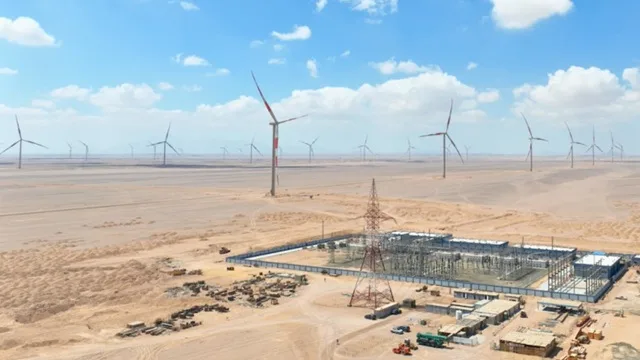
Egypt is implementing an ambitious plan to increase the share of renewables in its energy mix. For 2025, it reported that the installed capacity of renewables reached 9.1 GW, up from 8.6 GW earlier. Solar and wind accounted for nearly 70% of the renewable energy sources.
That renewable capacity places Egypt as the second-largest renewable market in Africa, just behind South Africa, with 13.5 GW of installed capacity. With another 14GW of renewable projects in the pipeline, Egypt is set to reach 42% of renewables in its energy mix by 2030 and stay as one of the leaders in #EnergyTransition in Africa.
Thanks to a positive policy environment, the sustained growth of renewable energy is getting a boost from the strong private sector. Many independent power producers have thus entered the energy market in Egypt. Also, Egypt has plenty of solar illumination as 95% of its surface area is desert, with most inhabited areas concentrated along the banks of the Nile River. Similarly, some desert and coastal regions have high potential for wind energy.
Egypt has come up with an attractive incentive program to foster investments in renewable energy projects. Thus, renewable projects can benefit from up to 50% of tax deduction and also enjoy exemption from VAT on the sale of green energy and import of related equipment. Custom duties on renewable energy equipment has been brought down to a uniform low of 2%.
As is the case in other countries, the Government of Egypt leases the land free of charge to qualified investors during the term of the project. What is more, Egypt provides the so-called Golden License, which is a single comprehensive approval for building, operating and managing the project, without having to resort to several permits.
Being forward-looking, Egypt has also introduced the Green Hydrogen (GH2) Law in 2024, with specific and higher incentives for hydrogen-related projects. Thus, for #GH2 projects, the tax deduction can reach up to 55%. Exports of green hydrogen also enjoy a 30% reduction in port usage and maritime service fees. Green hydrogenprojects also qualify for 30% of foreign workers within the workforce.
In general, to qualify for the above incentives, the project must commit to start operation within 5 to 6 years from signing. At least 70% of the funding must come from Foreign Direct Investment (FDI), but the project must ensure a minimum of 20% of #LocalContent.
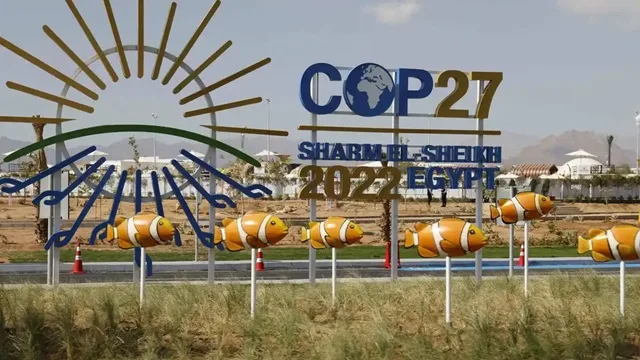
Egypt hosted the #COP27 in 2022, and the realization of the renewable energy projects is a clear signal that the country is committed to the #decarbonization drive and to meet its nationally determined contributions (#NDC) to reduce harmful emissions.