
Indonesia to Launch Commodity Exchange in 2027 for More Say Over Nickel Price
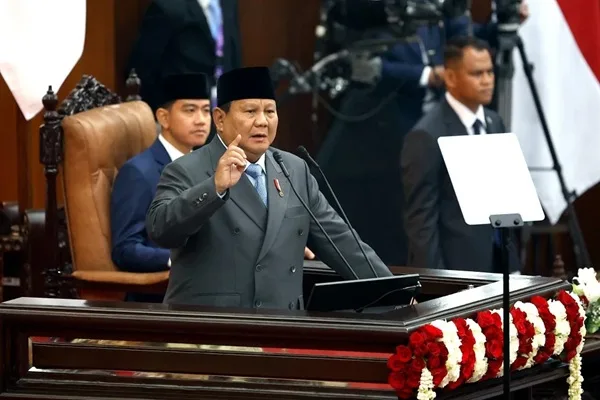
On 14 August 2026 during the Budget Speech in Parliament, Indonesia’s President Prabowo Subianto announced plans to launch the Indonesia Commodity Exchange (Incomex) on the 1st of January 2027. Currently, Indonesia accounts for 60% of the global supply nickel, one of the #CriticalMinerals that go into EV batteries, and believes it has the heft to hold some sway over the world market. In addition, the Exchange would handle palm oil and coal, which Indonesia produces substantial quantities of.
The Indonesian Nickel Miners Association, which lobbied for the exchange, welcomed the plan and underlined the importance of transparency and good governance to make it work. Meanwhile, the Indonesian Coal Miners Association issued a statement that it is monitoring the implementation before making any comments.
On the other hand, Indonesian Palm Oil Association stated that the majority of its members still prefer to deal directly with buyers rather than going through an exchange. It is worth recalling that Indonesia already has an exchange (ICDX) dedicated to palm oil but transaction volume is quite small. Most palm oil producers are deterred by the fees and do not see any benefit out of the exchange.
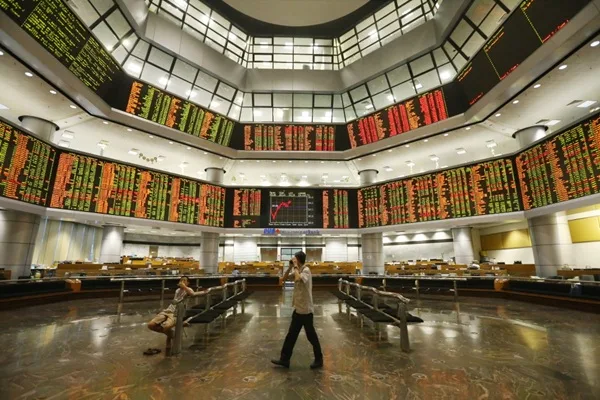
Actually, Malaysia, another top palm oil producer, appears to have done a better job at setting up an exchange for palm oil. The price listed by Bursa Malaysia has developed into an international benchmark. As a successful commodities exchange, Bursa Malaysia could provide certain points of reference to Icomex.
The objective of the Government of Indonesia is to crack down on unlawful trade practices such as transfer pricing and underinvoicing to illegally reduce tax bills. In May 2026, Indonesia announced that it shall centralize exports of nickel through a single state-owned company, Danantara Sumberdaya Indonesia, under its Sovereign Wealth Fund Danantara.
The price of nickel dropped from its average high of USD 21,474 per tonne in 2023 to USD 15,349 in 2025. The crash in price prompted the Indonesian Government to slash production targets to 250 million tonnes in 2026, compared to 379 million tonnes in 2025.
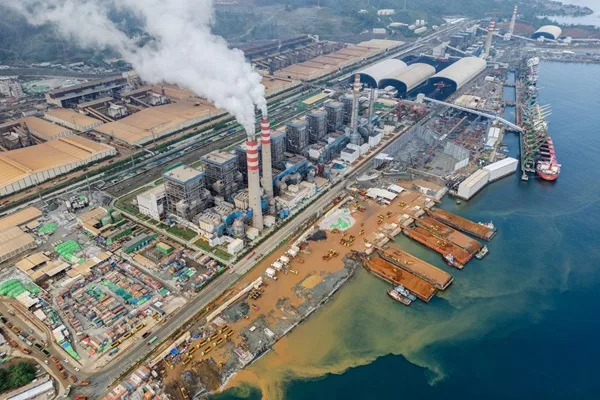
Indonesia has banned the export of raw #nickel ore since 2020 and has successfully upgraded its position into the battery value chain. The nickel sector is dominated by Chinese companies regrouped in the Chinese Chamber of Commerce, which has expressed concerns about restrictive quotas and reduced margins. As a case in point, the Chinese-controlled PT Weda Bay Nickel company, the world’s largest nickel mine, had to halt production as it already fulfilled its full-year quota back in May 2026.
The world market is also adopting #ESG standards and Indonesia’s nickel only currently meet a few of these requirements. The fact is that Indonesia’s nickel smelting relies heavily on coal and each tonne of nickel produced releases more than 40 tonnes of carbon dioxide (tCO2). Thus, Indonesia is under pressure to decarbonize its nickel industry to retain access markts that enforce strict environmental standards.
The quotas seem to have a positive impact as nickel price rebounded to USD 19,350 in April 2026, before stabilizing arou nd USD 17,000 in August 2026. Through Incomex, the Government of Indonesia hopes to tighten control over the supply and pricing of nickel.