
Chery Completes Acquisition of Nissan’s Plant in South Africa
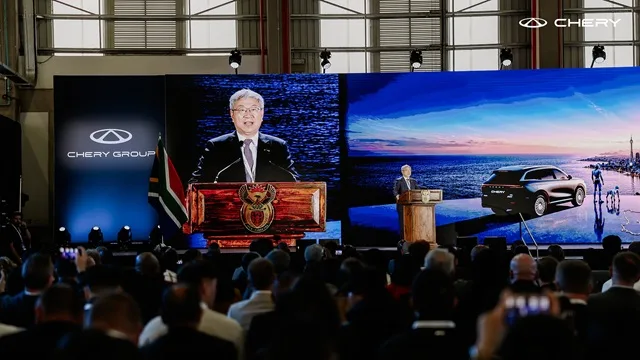
On 3 July 2026, Chery formally took over Nissan’s plant in Rosslyn in the suburbs of Pretoria, the capital of South Africa. The handover takes place after the acquisition was announced at the start of 2026, and occurs right after receiving the green light from the Competition Tribunal of South Africa.
South African VP Paul Mashatile, Gauteng Province Governor Panyaza Lesufi, and Tshwane City Mayor Nashiphi Moya attended the ceremony. The Chairman of Chery Group, YIN Tongyue and EVP of Chery International Charlie Zhang flew in from China, and were joined locally by Chery South Africa CEO Tony Liu and Chinese Ambassador WU Peng.
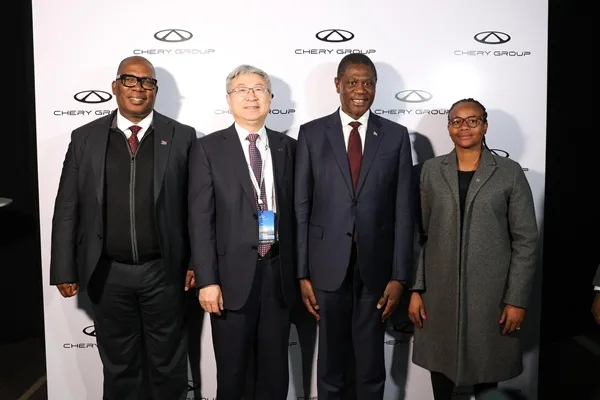
In his speech, VP Mashatile highlighted that the investment by Chery sends ‘a powerful signal to global investors that South Africa remains a trusted destination for investments.’ On his part, Chairman Yin underscored that Chery is confident about the South African market and would like to be a long-term partner in South Africa’s industrial development.
The takeover reflects the rise of Chinese automakers and the displacement of Japanese automakers in the African market, and even the global market. In 2025, China exported 7.1 million vehicles, compared to Japan’s 3.9 million, demonstrating the rise of Chinese automakers.
According to official statistics, China surpassed Japan to become the world’s largest vehicle exporter back in 2023, when China exported 5.2 million vehicles, while Japan exported 4.4 million. More importantly perhaps, China is the global leader in Electric Vehicles (#EV), which represent the future of the auto industry.
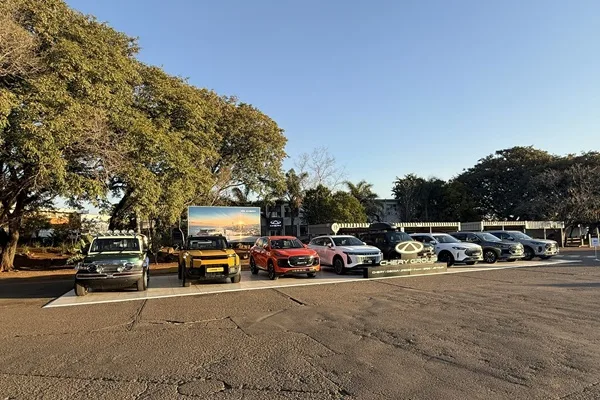
Previously, the Nissan plant in Rosslyn was famous for its Navara pickup trucks, more commonly known as Bakkies. Chery plans to produce several models at its Rosslyn plants, including traditional Combustion Engine Vehicles and New Energy Vehicles, such as the Jetour T1, Jaecoo J5, and Tiggo 4.
According to the deal, Chery has committed to preserve the existing 692 Nissan employees and to create nearly 3,000 new direct and indirect jobs. The target is to have an initial production capacity of 15,000 units in 2027 and ramp up to 50,000 vehicles annually. To put that figure in perspective, South Africa manufactures nearly 600,000 vehicles yearly, mainly for export.
Chery will invest to upgrade the plant over the next 12 to 18 months before commencing production by the end of 2027. The long-term goal is to reach a production capacity of 100,000 vehicles per annum. In line with South Africa’s industrial policy, Chery plans to achieve at least 40% of #LocalContent initially